Complete Blood Count (CBC)
A fundamental diagnostic tool that evaluates the overall health of your blood, screening for a wide range of disorders including anemia, infection, and leukemia.
Quick Summary
Evaluates overall health and detects a wide range of disorders, including anemia, infection, and leukemia.
Red blood cells, white blood cells, hemoglobin, hematocrit, and platelets.
No special preparation is usually required.
Overview
A complete blood count (CBC) is a blood test used to evaluate your overall health and detect a wide range of disorders, including anemia, infection and leukemia.
A complete blood count test measures several components and features of your blood, including:
- Red blood cells, which carry oxygen
- White blood cells, which fight infection
- Hemoglobin, the oxygen-carrying protein in red blood cells
- Hematocrit, the proportion of red blood cells to the fluid component, or plasma, in your blood
- Platelets, which help with blood clotting
What It Measures
Red Blood Cells (RBC)
Measures the number of red blood cells, which carry oxygen from your lungs to the rest of your body.
White Blood Cells (WBC)
Measures the number of white blood cells, which fight infection and disease.
Hemoglobin (Hb)
Measures the amount of hemoglobin, the oxygen-carrying protein in red blood cells.
Hematocrit (Hct)
Measures the proportion of blood volume that is occupied by red blood cells.
Platelet Count
Measures the number of platelets, which help with blood clotting.
How It's Performed
- 1
Preparation
You typically don't need any special preparation before a complete blood count test. You can eat and drink normally before the test.
- 2
Collection
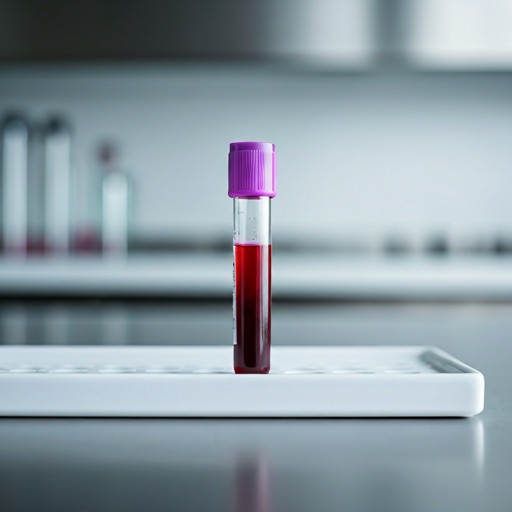
A healthcare professional will clean the skin on your arm with an antiseptic wipe and insert a small needle into a vein to draw blood into a test tube or vial.
- 3
Aftercare
After the blood draw, pressure will be applied to the puncture site to stop any bleeding, and a small bandage will be placed over it. You can resume normal activities immediately.
Reference Ranges
Note: Normal ranges vary by laboratory. Consult your report for the specific reference used.
| Parameter | Typical Range (Adult) | Units |
|---|---|---|
| Red Blood Cell Count (Male) | 4.5 – 5.9 | million cells/mcL |
| Red Blood Cell Count (Female) | 4.0 – 5.2 | million cells/mcL |
| Hemoglobin (Male) | 13.5 – 17.5 | g/dL |
| Hemoglobin (Female) | 12.0 – 15.5 | g/dL |
| Hematocrit (Male) | 41.0% – 53.0% | % |
| Hematocrit (Female) | 36.0% – 46.0% | % |
| White Blood Cell Count | 4,500 – 11,000 | cells/mcL |
| Platelet Count | 150,000 – 450,000 | cells/mcL |
Interpreting Results & Next Steps
Discuss with Doctor
An abnormal result doesn't always mean a disease. Your doctor will look at trends over time and compare them with your symptoms.
If values are Low:
May indicate anemia, malnutrition, or bone marrow suppression.
If values are High:
May indicate infection, inflammation, or dehydration.
Sources and further reading
Last updated October 2026. For more detail, see these trusted health organisations.
- Complete blood count (CBC)(opens in a new tab) · MedlinePlus, US National Library of Medicine
- Blood tests(opens in a new tab) · NHS